The World's Most Famous Coffees
A guide to why coffees like Jamaica Blue Mountain, Panama Geisha and Kona became famous, not a ranking of which one is best.
There is no single "best coffee in the world" — flavor preference is personal, and different coffees are famous for entirely different reasons. This page is not a ranking. It's a guide to why a handful of coffees, from Jamaica Blue Mountain to Panama Geisha, became famous in the first place.
Why "Best Coffee in the World" Isn't a Real Ranking
Search for "the best coffee in the world" and dozens of competing lists turn up, because there's no single body that ranks coffee the way a sports league ranks teams. What people usually mean by "best" is really several different questions bundled together: which coffee scores highest at a blind cupping competition, which one is rarest, which one has the most interesting backstory, or which one they personally enjoyed most in a cup. Those are different questions with different answers, and a coffee can win decisively on one of them while barely registering on another.
Jamaica Blue Mountain
Jamaica Blue Mountain owes its fame to geography and regulation as much as flavor. It can only be grown in a legally defined part of Jamaica's Blue Mountains, commonly described as roughly 3,000 to 5,500 feet of elevation, and its trade is licensed and certified by Jamaica's coffee regulator. It's widely described as mild and balanced, with low bitterness, and much of the crop has historically gone to Japan. That combination of a protected origin, a century-plus export history and a distinctive, easy-drinking profile is what put JBM on the map long before most of today's specialty coffee movement existed.
Panama Geisha
Panama Geisha is famous for a very different reason: a single competition result. Hacienda La Esmeralda's Boquete lot won the Best of Panama competition in 2004 and sold for $21 a pound, an unheard-of price that introduced the floral, tea-like variety to the world. Auction prices for top lots have climbed almost every year since, reaching a record $30,204 per kilogram in August 2025.
Kona
Kona coffee is famous partly for a different kind of scarcity: it's one of the only places in the United States where coffee is grown commercially at meaningful scale, on the volcanic slopes of Hualalai and Mauna Loa on Hawaii Island. Hawaii's entire coffee crop is small by world standards, which keeps genuine 100% Kona in short supply, and under Hawaii law, a coffee labeled Kona "blend" needs to contain only 10% actual Kona coffee, so the wording on a bag matters more here than with most origins.
Ethiopian Yirgacheffe
Yirgacheffe, a region within Ethiopia, is famous as much for history as for flavor: Ethiopia is widely considered coffee's birthplace, and Yirgacheffe's washed lots are known for a clean, floral, citrus-forward cup that helped define what many drinkers expect from African coffee. Unlike Jamaica Blue Mountain or Panama Geisha, Yirgacheffe's fame rests on a whole region's growing conditions and processing tradition rather than one company, one farm or one auction result.
Colombian Coffee
Colombian coffee became a household name partly through one of the most successful origin-marketing campaigns in the industry's history, built around the fictional farmer Juan Valdez starting in the 1950s. That campaign linked the word "Colombian" to reliable, medium-bodied, balanced coffee in the minds of generations of US shoppers, well before "single origin" and "specialty" became common terms, a reminder that fame in coffee is sometimes built by marketing as much as by cupping scores.
Kopi Luwak
Kopi luwak is famous for its unusual production method rather than its flavor: beans that have passed through the digestive tract of the Asian palm civet. It commands high prices on novelty alone, but its reputation is complicated by well-documented animal-welfare problems on caged civet farms and by professional reviewers who are often unimpressed by the cup itself, a useful reminder that "expensive" and "sought-after" are not the same as "widely agreed to taste better."
Rarer Coffees Worth Knowing
A few coffees are famous mainly for how little of them exist. Black Ivory is made in Thailand by feeding coffee cherries to elephants, with a single producer reporting only about 500 pounds harvested a year. St Helena coffee grows on a remote South Atlantic island once home to Napoleon Bonaparte's exile, on just a handful of productive acres today. Jacu bird coffee comes from wild Brazilian birds that eat coffee cherries as part of their natural diet. None of these approaches mainstream commercial volume, and all three trade on rarity and story as much as on cupping performance.
What Actually Makes a Coffee Famous?
Looking across all of these, fame in coffee tends to trace back to one of a few distinct sources: a protected, legally defined origin, like Jamaica Blue Mountain or Kona; a documented competition result with public auction prices, like Panama Geisha; a distinctive regional growing and processing tradition, like Yirgacheffe; a long-running marketing campaign, like Colombian; or sheer novelty and rarity, like kopi luwak, Black Ivory, St Helena and jacu bird. A high cupping score is a more consistent, comparable signal of quality than fame alone, but even that comes down to a trained panel's palate rather than an absolute truth about taste.
How to Decide What's "Best" for You
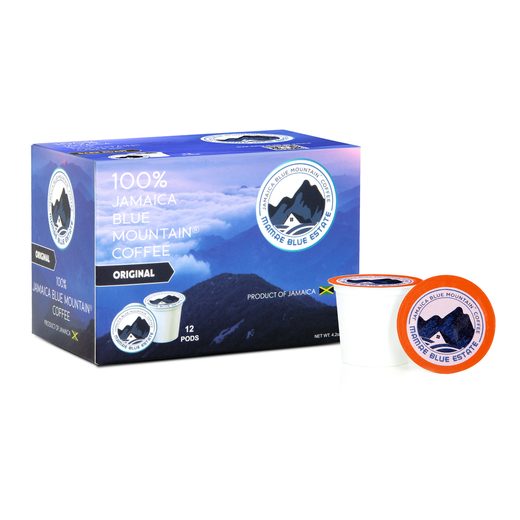
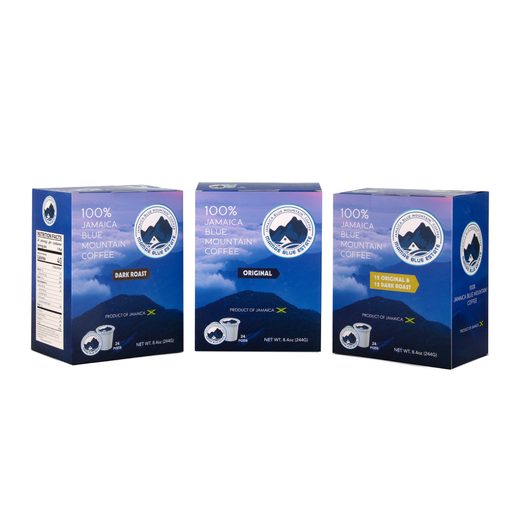
Since there's no single authority settling the question, the most useful approach is to treat "best coffee in the world" as a starting list of places to try rather than a verdict. Jamaica Blue Mountain is a reasonable benchmark for readers curious about a globally famous coffee with a long, regulated export history behind it; one estate selling 100% Jamaica Blue Mountain whole bean, ground and K-Cup-style pods, Mamre Blue, lists its current offerings on the shop page. Whichever coffee a reader starts with, the more reliable test is always the same one professional cuppers use: how it actually tastes in the cup, not how expensive or famous it is.
Questions people ask
What is the best coffee in the world?
What is the most famous coffee in the world?
Is Jamaica Blue Mountain the best coffee?
What makes a coffee famous rather than just expensive?
Sources
Taste the benchmark
More in Coffee knowledge
- The World's Top Coffee-Producing CountriesBrazil and Vietnam dominate world coffee production, and USDA's country-by-country bag counts show exactly where the rest of the top ten, and tiny Jamaica, rank.
- What Is Specialty Coffee?Specialty coffee traditionally means 80-plus cupping points, but the SCA's current definition covers flavor, origin, growing practices and processing together.
- A Short History of CoffeeFrom a Yemeni Sufi ritual to Ottoman coffeehouses, European trade and colonial plantations, coffee's documented history is stranger than its most famous legend.
- Coffee Auctions: Cup of Excellence and Best of PanamaCup of Excellence and Best of Panama score coffee through blind juries, then auction the winning lots online, often for record prices.
- Italian Coffee CultureItalian coffee culture runs on the standing espresso bar and the stovetop moka pot, backed by more than a century of machine history and widely followed customs.
- Japanese Coffee CultureJapan's coffee culture spans century-old kissaten cafes, vending-machine canned coffee, meticulous pour-over brewing, and a decades-long appetite for Jamaica Blue Mountain.
- The Coffee Belt: Where Coffee GrowsCoffee grows only within a tropical coffee belt, where altitude and climate, more than latitude alone, decide what grows where, and climate change is shifting the map.
- The Coffee Plant: How Coffee GrowsCoffee comes from the flowering shrub Coffea, whose cherries, genuine fruit despite the name bean, take three to seven years to reach a first harvest.