What Is Specialty Coffee?
Specialty coffee traditionally means 80-plus cupping points, but the SCA's current definition covers flavor, origin, growing practices and processing together.
Specialty coffee is a label for coffee judged unusually good, but which coffees qualify has shifted over time. For decades, the shorthand was simple: 80 or more points on a 100-point cupping scale. The Specialty Coffee Association's current definition is broader, covering both a coffee's intrinsic quality and how it was grown, sourced and sold.
The Traditional 80-Point Threshold
For years, the most commonly cited definition of specialty coffee has been a coffee that scores 80 points or higher on a 100-point cupping scale, with roughly 90 to 100 rated "outstanding," 85 to 89.99 "excellent," and 80 to 84.99 "very good." Reaching that floor typically requires selective, hand-picked harvesting of ripe cherries and green coffee with no more than five full defects per 350 grams of milled beans. Coffee scoring below 80 is generally sold as commercial or "commodity" grade rather than specialty, regardless of where it was grown. Coffees that win a coffee auction like Cup of Excellence or Best of Panama routinely score well above this floor.
The Specialty Coffee Association's Current Definition
The Specialty Coffee Association, known as the SCA, is the industry's leading trade group, and it now describes specialty coffee more broadly than a single score. As of the association's own current description, specialty coffee is "a coffee or coffee experience recognized for its distinctive attributes" that, because of those attributes, "has significant extra value in the marketplace." That definition folds in both intrinsic attributes, such as flavor, aroma and mouthfeel, and extrinsic ones, including origin, the producer, growing practices and processing method. The SCA has built a newer framework, called the Coffee Value Assessment, meant to standardize how those attributes get measured across the industry, rather than relying on a single cupping number as the whole story.
Where Did the Term Come From?
The phrase "specialty coffee" is generally credited to Erna Knutsen, who used it in a 1974 piece for Tea & Coffee Trade Journal to describe, in her words, "beans of the best flavor which are produced in special micro-climates." That framing, quality tied to a specific place and set of growing conditions rather than just a brand or blend, became the foundation for how the specialty industry talks about origin coffee today.
What Is a Q Grader?
A Q grader is a coffee professional trained and licensed to evaluate green coffee quality and run standardized cupping sessions, a credential the SCA references directly through its own Q Grader licensing program. Q graders are the people roasters and importers rely on to score a lot consistently against the same defect-counting and cupping protocols used across the industry, which is part of what makes a specialty score comparable from one lot to another rather than just one person's opinion. The juries behind competitions like Cup of Excellence and Best of Panama's Geisha auctions lean on this same style of trained, standardized cupping.
The Third Wave of Coffee
"Third wave" is a related but separate idea from the specialty score itself. It describes a broader cultural shift in how coffee is sourced, roasted and served. Coffee broker Timothy J. Castle used the phrase in an article called "Coffee's Third Wave" in the December 1999/January 2000 issue of Tea & Coffee Asia, and coffee professional Trish Rothgeb popularized it further in a 2003 piece. Food critic Jonathan Gold summarized the idea in 2008: beans sourced from specific farms rather than countries, roasting meant to bring out a bean's unique character rather than mask it, and a "clean, hard, pure" flavor as the goal. The term is generally used in contrast to a "second wave" built around Starbucks- and Peet's-style espresso culture, and a "first wave" of mass-market instant and canned coffee that came before it.
What "Specialty" Does and Doesn't Guarantee
A specialty label is fundamentally about the green coffee's measured quality, its flavor, aroma, and how cleanly it was grown, harvested and processed, not a guarantee about everything else on the bag. A coffee can score well above 80 points and still have been grown using heavy pesticide use or under poor labor conditions, since neither factor is part of the cupping score itself. The specialty designation also describes the green coffee as sourced, not what happens to it afterward: a genuinely specialty-grade lot can still be roasted past its best character or brewed poorly by the time it reaches a cup, so the word on a bag is a starting point rather than a promise about the finished drink. Rarity is a separate axis entirely; some of the coffees on our rare coffees pages are prized mainly for scarcity or novelty rather than a documented cupping score.
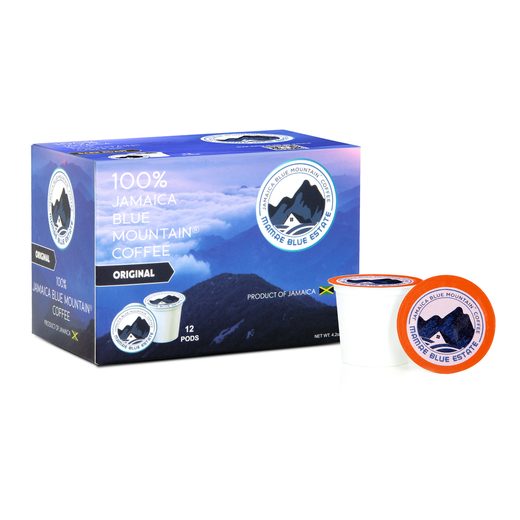
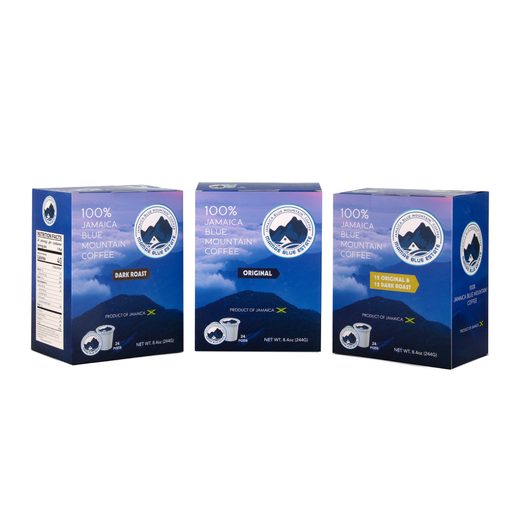
Jamaica Blue Mountain built its reputation well before the specialty coffee movement existed, and it is marketed today through Jamaica's own regulated certification system rather than through SCA cupping scores or a Q grader's report. That doesn't make it more or less "specialty" in a formal sense; it simply means JBM and a typical specialty-labeled origin coffee are marketed through two different, largely separate systems.
Questions people ask
What score makes a coffee "specialty"?
Who invented the term "specialty coffee"?
What is third wave coffee?
Does specialty coffee mean it was grown ethically or sustainably?
Sources
Taste the benchmark
More in Coffee knowledge
- A Short History of CoffeeFrom a Yemeni Sufi ritual to Ottoman coffeehouses, European trade and colonial plantations, coffee's documented history is stranger than its most famous legend.
- Coffee Auctions: Cup of Excellence and Best of PanamaCup of Excellence and Best of Panama score coffee through blind juries, then auction the winning lots online, often for record prices.
- Italian Coffee CultureItalian coffee culture runs on the standing espresso bar and the stovetop moka pot, backed by more than a century of machine history and widely followed customs.
- Japanese Coffee CultureJapan's coffee culture spans century-old kissaten cafes, vending-machine canned coffee, meticulous pour-over brewing, and a decades-long appetite for Jamaica Blue Mountain.
- The Coffee Belt: Where Coffee GrowsCoffee grows only within a tropical coffee belt, where altitude and climate, more than latitude alone, decide what grows where, and climate change is shifting the map.
- The Coffee Plant: How Coffee GrowsCoffee comes from the flowering shrub Coffea, whose cherries, genuine fruit despite the name bean, take three to seven years to reach a first harvest.
- The World's Most Famous CoffeesA guide to why coffees like Jamaica Blue Mountain, Panama Geisha and Kona became famous, not a ranking of which one is best.
- The World's Top Coffee-Producing CountriesBrazil and Vietnam dominate world coffee production, and USDA's country-by-country bag counts show exactly where the rest of the top ten, and tiny Jamaica, rank.