Zimbabwe Coffee
Zimbabwe grows a small, contracted arabica crop in the Eastern Highlands around Chipinge and Mutasa, split between smallholders and surviving estates.
Zimbabwe's coffee comes almost entirely from the Eastern Highlands, a strip of high-rainfall mountain country along the Mozambique border where colonial-era planners once set aside land specifically for crops like coffee and tea rather than for staple grains. The industry has shrunk a great deal from its 20th-century scale, and today's crop comes from a mix of smallholders and surviving estates, with far less public data available than for larger East African neighbors.
How much coffee does Zimbabwe produce?
Zimbabwe does not appear in the FAO's 2023 production figures as reflected in Wikipedia's list of major coffee-producing countries, which points to a crop too small, or too inconsistently reported, to register in the same dataset as regional producers like Tanzania or Uganda. Wikipedia's overview of Zimbabwean agriculture places coffee among the country's commercial crops, alongside cotton, tobacco, peanuts and various fruits, but gives it none of the detailed production figures it gives tobacco or maize -- a reflection of how far coffee has fallen down the list of Zimbabwe's major exports.
Where is Zimbabwean coffee grown?
Zimbabwe's coffee grows almost exclusively in the Eastern Highlands, the mountainous strip of Manicaland Province bordering Mozambique. Chipinge, one of the region's key coffee towns, sits at about 1,132 meters (roughly 3,714 ft), according to Wikipedia, which also notes the area's warm climate and roughly 1,105 millimeters of annual rainfall suit agriculture broadly; commercial coffee only became viable there after an experimental station was established in 1950, following earlier small-scale attempts that hadn't taken hold. Mutasa District, further north in the same highlands, sits lower, at an average of about 912 meters (roughly 2,992 ft), and Wikipedia describes both smallholder villages growing coffee alongside tea and bananas, and larger commercial estates producing coffee and tea, within the district.
Who grows Zimbabwe's coffee?
Zimbabwe's Eastern Highlands support both smallholder coffee growers and larger commercial estates, according to Wikipedia's entry on Mutasa District, a dual structure broadly similar to Zambia's mix of smallholders and named commercial operations. Zimbabwe's colonial-era land classification system placed the Eastern Highlands in "Region I," the zone with the country's highest rainfall, best suited to diversified cash crops including coffee and tea rather than staple grains. Zimbabwe's wider commercial agricultural export sector, including crops like tobacco, is well documented to have contracted sharply after the country's fast-track land reform program began in 2000; general sources don't give coffee-specific figures for that period, but the persistence of both smallholder and estate coffee growing in Mutasa today suggests at least partial continuity through a difficult stretch for Zimbabwean export agriculture generally.
What varieties, processing and harvest timing does Zimbabwe use?
Zimbabwe's coffee is arabica, grown in the same general highland belt as the country's tea. Public sourcing does not confirm specific variety names, processing methods or a current harvest calendar with the same confidence available for better-documented origins like Rwanda or Tanzania; readers who need lot-specific facts should expect to work directly with an exporter rather than rely on general reference material.
That gap in public detail says something about how far the sector has contracted rather than about the quality of what remains. Coffee-producing countries that move meaningful volume through specialty channels tend to accumulate importer profiles, cupping notes and published harvest calendars over time, the way Rwanda, Burundi and Tanzania have; a smaller, contracted origin like Zimbabwe's Eastern Highlands crop hasn't generated the same body of public material, even though individual smallholder lots or estate coffees may still be well regarded by the buyers who source them directly.
How does Zimbabwean coffee compare with Jamaica Blue Mountain?
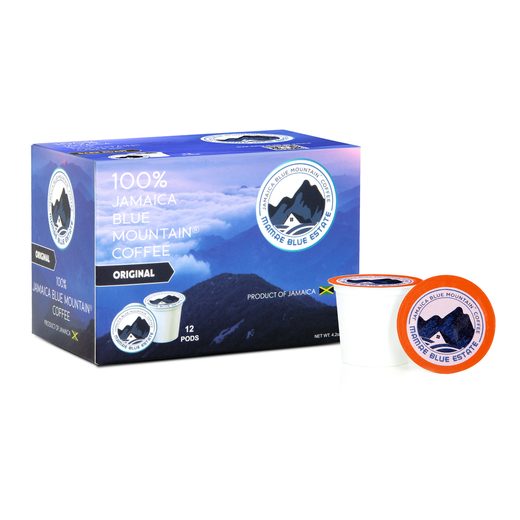
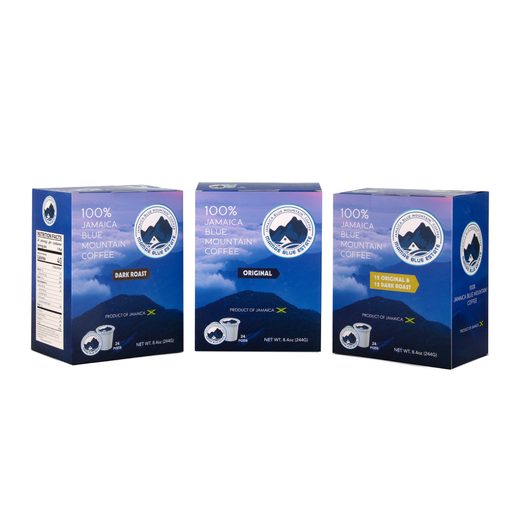
Zimbabwe and Jamaica both grow arabica on rain-fed mountain ground set aside, by design, for higher-value cash crops -- Zimbabwe's colonial-era "Region I" classification and Jamaica's legally defined Blue Mountain growing area both formalized that logic, if decades apart and for different reasons. The similarity mostly ends there. Blue Mountain has kept a stable, well-documented estate and grading system; Zimbabwe's coffee sector has contracted and left a much thinner public record, with today's Eastern Highlands crop split between smallholders and a shrunken estate base. Readers wanting a well-documented, consistently available high-altitude arabica can start with Jamaica Blue Mountain whole bean in the shop.
Questions people ask
How much coffee does Zimbabwe produce?
Where is coffee grown in Zimbabwe?
Did land reform affect Zimbabwe's coffee industry?
How does Zimbabwean coffee compare with Jamaica Blue Mountain?
Sources
Taste the benchmark
More in Origins
- Antigua Guatemala CoffeeAntigua Guatemala's coffee grows in a volcano-ringed valley on ash-enriched soil, prized for a full, velvety body and chocolate-and-spice flavor.
- Australian CoffeeAustralia grows a tiny, mechanized-harvest coffee crop in subtropical New South Wales and Queensland, almost all of it sold at home.
- Bali Coffee: Kintamani and BeyondMost of Bali's coffee comes from Kintamani, grown by subak abian cooperatives and processed as sweet, citrusy washed arabica with its own Geographical Indication.
- Bolivian CoffeeBolivia's small, high-altitude Yungas crop has shrunk dramatically since the 1990s, but Caranavi still produces some of South America's brightest specialty coffee.
- Brazilian Coffee: How the World's Largest Producer TastesBrazil's scale, mechanized farms, and dry processing produce a mild, low-acid, reliably sweet cup unlike small, high-altitude origins.
- Burundi CoffeeBurundi grows old-growth Bourbon coffee through a dense grid of smallholder washing stations centered on Kayanza and Ngozi provinces.
- Cameroon CoffeeCameroon grows a small western-highland arabica crop alongside a much larger robusta crop, both well below the country's 1990 production peak.
- Coffee in Vietnam: The Robusta GiantVietnam is the world's second-largest coffee producer, growing almost entirely robusta in the Central Highlands around Đắk Lắk province.