Harrar Coffee: Ethiopia's Dry-Processed Classic
A guide to Harrar, Ethiopia's classic dry-processed coffee region: its elevation, fruity wine-toned flavor, cooperative sales, harvest timing and how it compares with Jamaica Blue Mountain.
Harrar coffee comes from the dry eastern highlands of Ethiopia around the ancient trading city of Harar, and it is almost always naturally processed rather than washed. The result is a heavy-bodied, intensely fruity cup that traders have compared to red wine for more than a century.
Where Is Harrar, and How High Is Its Coffee Grown?
Harar sits in Ethiopia's eastern highlands, roughly 500 km from Addis Ababa, at about 1,885 m (6,180 ft) above sea level. The surrounding growing area extends over a somewhat lower and drier band than Ethiopia's southern regions, with coffee-trade sources citing elevations of roughly 1,400 to 2,000 m (4,590–6,560 ft).
Harar's role in coffee history runs deep: an 1855 account by the British explorer Richard Burton already described the walled city as "the emporium of the coffee trade," and some local tradition credits the surrounding area, rather than the more commonly cited Kaffa region further southwest, as coffee's original home. That claim is contested, but it reflects how long Harar has been central to Ethiopia's coffee trade. For the fuller, more widely accepted origin story, see our guide to Ethiopian coffee.
Harar's elevation, at the lower end of Ethiopia's coffee-growing range, also means the area runs warmer and drier than the misty highlands further south and west, conditions that shape both how the plant grows and the processing methods farmers there have historically relied on.
Why Is Harrar Coffee Dry-Processed?
Unlike Yirgacheffe or Sidama, Harrar coffee is typically processed naturally: whole ripe cherries are dried in the sun, usually on raised beds or open ground, rather than pulped and washed first. Natural processing is generally associated with drier growing climates, since it doesn't depend on the large volumes of clean water that washing requires — a practical fit for Harar's more arid eastern setting.
Cherries are typically spread out and turned regularly over one to three weeks until they reach export moisture, a longer and more labor-intensive process than washing but one that lets the fruit's sugars work into the bean throughout drying. Once dried, the parchment and dried fruit skin are removed by hulling, and beans are hand-sorted for size and defects before export.
Farms in the area tend to be small, and much of the crop has historically been used in espresso blends, where its heavy body holds up well against milk.
What Does Harrar Coffee Taste Like?
Harrar is one of the most distinctive naturals in Ethiopia's lineup. It's commonly described as intensely fruity, with strong blueberry or blackberry notes, a rich, heavy body, and a pungency that some tasters compare to dry red wine. Other descriptions point to chocolate, spice and citrus undertones, particularly in peaberry lots — small, rounded beans that form when only one seed develops inside the cherry.
That intensity is very different from the tea-like brightness of washed Yirgacheffe, even though both are grown in the same country from similarly diverse heirloom trees.
How Is Harrar Coffee Sold?
Harar is one of the zones represented by the Oromia Coffee Farmers Cooperative Union, a farmer-owned union founded in 1999 that has grown from 34 founding cooperatives to several hundred, representing hundreds of thousands of smallholders across Ethiopia. The union markets member coffee for direct export, aiming to cut out layers of middlemen between farmer and roaster.
As with other Ethiopian regions, Harrar coffee has historically moved through the Ethiopia Commodity Exchange for grading and export, though natural-process coffee is allowed a wider range of export grades than washed coffee, reflecting how much harder it is to spot defects in a dried, unpulped cherry.
When Is Harrar Coffee Harvested?
Harrar's harvest falls within Ethiopia's broader October-to-January picking season. Its lower average elevation compared with Sidama, Yirgacheffe and Guji means it isn't usually grouped with the earlier-starting highland districts, though general sources don't break out an exact Harrar-specific calendar. Because Harrar's cherries dry whole rather than being pulped first, drying itself takes longer than for washed coffee elsewhere in Ethiopia, which can push final milling and export a little later in the season even when picking starts on a similar schedule. Like most Ethiopian coffee, it typically ships in February and March.
How Does Harrar Compare With Jamaica Blue Mountain?
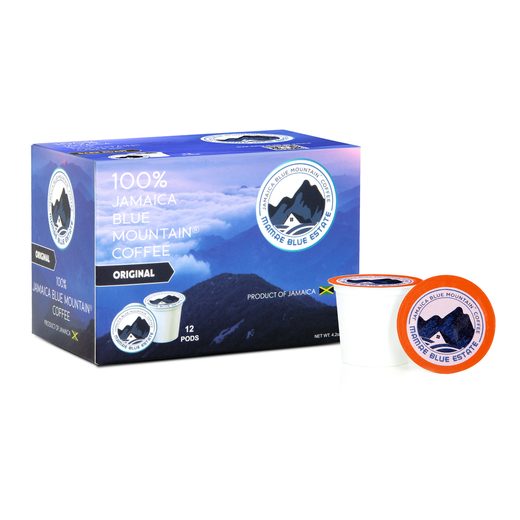
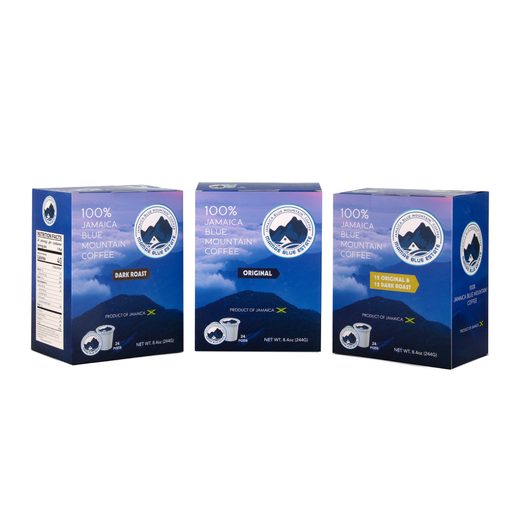
Harrar and Jamaica Blue Mountain (JBM) sit about as far apart as two arabica coffees can. Harrar is prized precisely for its intensity — heavy body, pronounced fruit, real pungency. JBM is prized for the opposite: growers and importers consistently describe it as mild, balanced and notably low in bitterness, with a smoother, quieter cup. Where Harrar's identity comes from dry processing in an arid climate, JBM's comes from a single wet-processed Typica variety grown above 3,400 ft in a much wetter, cooler part of Jamaica's Blue Mountains.
Drinkers who like bold, wine-like coffee may find Harrar the more exciting cup; those drawn to JBM's reputation for restraint are looking for something closer to the opposite end of the spectrum. Comparing the two side by side, through whole bean options, is a fast way to feel that difference rather than just read about it.
Both origins also carry outsized reputations relative to their size. Harrar is a comparatively small, historic growing area whose name has stood for a distinctive style of coffee for well over a century; JBM, similarly, is a small, legally bounded region whose name carries weight far beyond its modest output. Neither identity depends on being the biggest producer — both depend on being unmistakably themselves in the cup.
Questions people ask
Why is Harrar coffee dry-processed?
What does Harrar coffee taste like?
Is Harrar coffee good for espresso?
How does Harrar compare to Jamaica Blue Mountain?
Sources
Taste the benchmark
More in Origins
- Hawaiian Coffee Beyond Kona: Ka'u, Maui and KauaiKona isn't Hawaii's only coffee: Ka'u, Kauai and Maui grow roughly half the state's crop, now covered by a stricter 2024 labeling law.
- Honduran CoffeeHonduras is Central America's largest coffee producer, grading its washed, mostly smallholder crop by altitude across 15 departments.
- Huila Coffee: Colombia's Top Specialty RegionA guide to Huila, Colombia's top specialty coffee department: its elevation, varieties, flavor, sales, unusual harvest calendar and comparison with Jamaica Blue Mountain.
- Indian Coffee: Chikmagalur, Coorg and ArakuIndia grows both arabica and robusta under shade across Karnataka, Kerala and Tamil Nadu, from Chikmagalur's colonial-era estates to tribal-grown Araku Valley.
- Java Coffee: The Island, and Why Coffee Is Called JavaJava is both an Indonesian island and English slang for coffee, a legacy of three centuries as a top coffee source now centered on the Ijen Plateau's washed arabica.
- Kenyan Coffee: AA Grades, SL28 and Bright AcidityA guide to Kenya's grading system, key varieties and regions, with a fair comparison of its bright acidity to Jamaica Blue Mountain.
- Kona Coffee: Hawaii's Famous Coffee, and What 'Kona Blend' MeansKona coffee grows on a tiny Big Island belt and, until a 2024 law tightened the rule, a blend needed only 10% real Kona coffee to use the name.
- Malawi CoffeeMalawi grows a small, smallholder highland coffee crop centered on Mzuzu and the Misuku Hills, overshadowed for a century by tobacco and tea.