Can You Bring Coffee Back From Jamaica? Customs Rules Explained
Yes for most travellers: the US allows unlimited roasted coffee and, into the continental US, green beans, if you declare them; coffee cherries are banned and green beans may not enter Hawaii or Puerto Rico. Other countries set their own rules.
Can you bring coffee back from Jamaica? For most travellers the answer is yes. Roasted Jamaica Blue Mountain coffee in your luggage is one of the easiest agricultural souvenirs to bring home, and US rules allow it in unlimited quantities as long as you declare it. Green (unroasted) beans, fresh coffee cherries and coffee plants are a different story. This page summarises what official US guidance says, what to watch for in other countries, and how to make sure the coffee you carry home is the real thing.
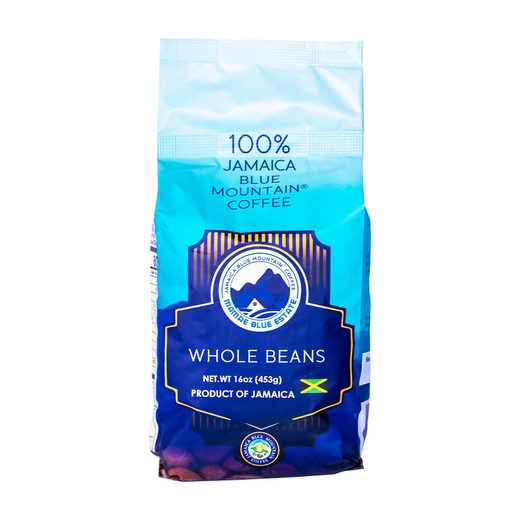
Leaving Jamaica: the 5 kg personal baggage rule
Coffee is a regulated commodity in Jamaica, and commercial exports need a licence from the Jamaica Agricultural Commodities Regulatory Authority. Regulation 5 of the 2018 regulations makes an exception for small quantities: coffee carried in a passenger's personal baggage, up to 5 kilograms, can leave without a licence, and the same limit applies to gift parcels and bona fide samples. Five kilograms is about eleven 1 lb bags, which is more than most travellers buy. If you want to take more, or ship coffee commercially, contact JACRA before you travel.
What the US allows
The US Department of Agriculture's Animal and Plant Health Inspection Service (APHIS) publishes guidance for international travellers on coffee. Its rules depend on the form of the coffee and where you enter the country:
| Form of coffee | APHIS guidance for travellers |
|---|---|
| Roasted coffee (beans or ground) | Allowed in unlimited quantities in luggage through any US port of entry; must be declared |
| Green (unroasted) coffee beans | Allowed in unlimited quantities through ports of entry in the continental US; prohibited from entering or transiting Hawaii or Puerto Rico; must be declared; seized and destroyed if quarantine pests are found |
| Whole coffee berries (fresh cherries with pulp) | Prohibited at all US ports of entry, because the pulp presents a fruit-fly risk |
| Coffee seeds or plant parts for planting | Prohibited from entering Hawaii or Puerto Rico; some coffee species also carry endangered-species restrictions |
The Hawaii and Puerto Rico limits exist because both grow coffee commercially; Hawaii's Kona coffee industry is the best-known example. If your route home connects through either, green beans should not be in your bag.
Declare it, every time
APHIS says travellers must declare all agricultural products to US Customs and Border Protection, and that inspectors make the final decision on whether an item can enter. It also says that as long as you declare all the agricultural products you are carrying, you will not face penalties even if an inspector decides something cannot enter. Coffee is low-risk, but an undeclared item that turns out to be restricted can lead to a fine. APHIS also recommends keeping receipts and original packaging as proof of country of origin, which is easy with a sealed retail bag.
Carry-on or checked bag?
The US Transportation Security Administration lists coffee beans and ground coffee as allowed in both carry-on and checked bags at US checkpoints, though officers may ask you to take food and powders out of your bag for screening. Brewed coffee is a liquid and falls under the usual liquids limits. Screening in Jamaica is run by Jamaican airport authorities, so allow time for bags to be checked there too. Sealed retail bags are easier to inspect and travel better than loose beans.
Other countries
Every country sets its own rules for food brought in by travellers, so check your own government's guidance before you fly. For example, the UK government's page on bringing food into Great Britain lists processed and packaged plant products among the items that can be brought in from any country without restriction, and it has separate rules for fruit, vegetables, nuts and seeds. Roasted coffee in a sealed retail pack is a processed product, but green beans and fresh cherries are raw plant material and are more likely to be restricted wherever you live.
How much can you bring?
On the Jamaican side, the licence-free allowance is 5 kilograms in personal baggage. For personal use, US agricultural rules set no quantity limit on roasted coffee. Customs duty is a separate question: very large quantities, or coffee you intend to sell, can be treated as a commercial import with different paperwork. If you are buying coffee to resell, talk to a customs broker before you travel, not at the border.
Buying genuine Blue Mountain coffee in Jamaica
Being in Jamaica does not guarantee that a bag is 100% Blue Mountain. The same labelling traps apply at airports and souvenir stalls as anywhere else:
- Read for "100%". A "Jamaica Blue Mountain Blend" may contain as little as 30% Blue Mountain coffee by weight under Jamaica's 2018 regulations. See the 30% blend rule.
- Know the other Jamaican names. "Jamaica High Mountain Supreme" is a legitimate Jamaican coffee grown outside the Blue Mountain area, usually cheaper. It is not Blue Mountain. See High Mountain vs Blue Mountain.
- Look for a named producer. Bags that name an estate, coffee works or roaster in Jamaica are easier to trace. Under the 2018 regulations, selling coffee under the Blue Mountain name requires written authority from the Jamaica Agricultural Commodities Regulatory Authority; our JACRA certification page explains how the system works.
- Be wary of unlabelled coffee. Loose beans in plain bags may be genuine, but you cannot check, and they are harder to declare.
Our checklist on how to spot fake Blue Mountain coffee covers the details.
Keeping it fresh on the way home
Whole beans in a sealed bag will survive a flight with no special care. Keep them out of hot cars and direct sun after you land, and open the bag only when you are ready to use it. Once opened, the National Coffee Association suggests whole beans keep best for about one to three weeks at room temperature in an airtight, opaque container. If you bought several bags, freeze the spares unopened. Our guide on how to brew Blue Mountain coffee covers storage and brewing once you are home.
A note on green beans for home roasters
If you roast at home and want green Blue Mountain beans, remember the Hawaii and Puerto Rico prohibition, declare them, and expect inspection; if pests are found they will be destroyed. Our page on green coffee beans covers storage and roasting basics.
Rules change, so treat this page as a starting point and check the official pages linked below shortly before you travel. Disclosure: this site is published by Mamre Blue Coffee, a Jamaica Blue Mountain estate (see about us).
Questions people ask
How much coffee can I take out of Jamaica?
Can I bring Jamaican coffee into the United States?
Do I have to declare coffee at US customs?
Can I bring coffee beans in my carry-on?
Can I bring fresh coffee cherries or coffee plants home?
Is coffee sold at the airport in Jamaica always 100% Blue Mountain?
Sources
- International Traveler: Coffee, Teas, Honey, Nuts, and Spices (USDA APHIS)
- What Can I Bring? Coffee (Beans or Ground) (US Transportation Security Administration)
- Bringing food into Great Britain (GOV.UK)
- The Jamaica Agricultural Commodities Regulatory Authority Regulations, 2018 (Jamaica Gazette Supplement, March 2 2018)
- Coffee Storage and Shelf Life (National Coffee Association USA, About Coffee)
Taste the benchmark


More in Coffee knowledge
- Coffee Auctions: Cup of Excellence and Best of PanamaCup of Excellence and Best of Panama score coffee through blind juries, then auction the winning lots online, often for record prices.
- History of Jamaica Blue Mountain Coffee, from 1728 to JACRACoffee reached Jamaica in the 1720s; the Blue Mountain name became a regulated, certified product only in the 20th century, through the 1944 clearing house, the 1950 Coffee Industry Board and, since 2017, JACRA.
- How to Brew Jamaica Blue Mountain Coffee at HomeBrew Blue Mountain like any good washed arabica, but gently: fresh whole beans, about 1 to 2 tablespoons per 6 ounces of water, water just off the boil, and a grind matched to the method so that its mild, low-bitterness character is not over-extracted.
- How to Spot Fake Jamaica Blue Mountain CoffeeJamaica's regulators have chased counterfeit Blue Mountain coffee for over a decade; buyers can screen out most of it by reading the label carefully and asking where the coffee came from.
- Italian Coffee CultureItalian coffee culture runs on the standing espresso bar and the stovetop moka pot, backed by more than a century of machine history and widely followed customs.
- JACRA: How Jamaica Certifies Blue Mountain CoffeeJACRA replaced the Coffee Industry Board in 2017 and now registers growers, licenses dealers and coffee works, certifies quality and holds export coffee in its own custody until it ships.
- Jamaica Blue Mountain Blend: What the 30% Rule MeansJamaica's 2018 regulations let a coffee be called a Jamaica Blue Mountain Blend if Blue Mountain coffee is at least 30% of its weight, up from 20% under the old 1953 rules.
- Jamaica Blue Mountain Coffee Grades: No. 1, No. 2, No. 3 and PeaberryBlue Mountain export coffee is sorted into size-and-defect classes, from No. 1 down to triage, with peaberry kept separate; a grade describes the beans, not the flavor or the authenticity of the bag.