Japanese Coffee Culture
Japan's coffee culture spans century-old kissaten cafes, vending-machine canned coffee, meticulous pour-over brewing, and a decades-long appetite for Jamaica Blue Mountain.
Japan built a coffee culture almost entirely its own: quiet kissaten coffeehouses that predate today's cafés by a century, canned and vending-machine coffee sold on nearly every street corner, exacting pour-over brewing, and a long-standing appetite for imported specialty coffee, Jamaica Blue Mountain especially, that reshaped how that coffee gets sold worldwide.
What Is a Kissaten?
A kissaten, literally "tea-drinking shop", is a Japanese coffeehouse tradition distinct from the modern café. Japan's first Western-style café opened in Tokyo in 1888, but kissaten as a genre didn't really flourish until the 1920s, developing partly as a quieter alternative to cafés that had by then become noisier venues also serving alcohol, according to Wikipedia's entry on kissaten. Drawing loosely on European salon culture, kissaten became known instead as calm, unhurried places to drink coffee, long favored by writers and intellectuals, and often built around meticulous manual brewing rather than speed.
Kissaten culture branched over the decades into niche variants such as jazz kissa, built around vinyl record collections played over coffee, and more recently manga kissa, which mix reading, gaming and vending-machine drinks. Traditional kissaten declined for years as convenience-store coffee and chain cafés spread, but Wikipedia notes they have seen a revival tied to "Showa retro" nostalgia among younger Japanese customers.
Why Is Canned Coffee Such a Big Deal in Japan?
Canned coffee is a Japanese invention. UCC Ueshima Coffee Co. is widely credited with pioneering canned coffee with milk in 1969, though an even earlier, short-lived product called Mira Coffee reportedly appeared in Shimane Prefecture in 1965, according to Wikipedia's entry on canned coffee. What made canned coffee a daily habit rather than a novelty was Pokka's 1973 introduction of vending machines that could dispense drinks both hot and cold, letting the same can be sold heated through Japan's cold months and chilled in summer. By 1983, canned coffee makers were already shipping more than 100 million cases a year.
That vending infrastructure is still one of the most visible features of Japanese coffee culture: machines on street corners nationwide switch their canned and bottled coffee between hot and cold service by season, a level of everyday convenience most other coffee cultures don't have.
Why Does Japan Love Pour-Over Coffee?
Alongside kissaten and canned coffee sits a third, almost opposite strand: meticulous manual filter brewing. Filter coffee is described as central to Japanese coffee culture and connoisseurship, according to Wikipedia's entry on pour-over brewing, and Japanese equipment makers including Hario and Kalita are now major global names in pour-over gear, admired for the same patience and precision that shaped kissaten culture in the first place. That equipment culture grew directly out of the kissaten counter, where a single cup brewed carefully by hand, rather than a large pot made for many, was always the point.
Is Japan's Kissaten Tradition Declining?
The number of dedicated coffee shops in Japan has been declining for years, a trend the All Japan Coffee Association's own data traces back to around 2008, even as convenience-store coffee and canned vending-machine drinks have kept growing. That decline sits alongside the kissaten revival mentioned above tied to "Showa retro" nostalgia, two trends pulling in different directions at once: fewer traditional coffee shops overall, but renewed interest, especially among younger customers, in the ones that remain.
How Much Coffee Does Japan Actually Drink?
Despite its reputation for coffee obsession, Japan isn't actually among the very largest coffee-drinking nations per person. It ranked as the world's fourth-largest coffee consumer by total volume in 2025, at roughly 397,000 tons, and the sixth-largest importer of green coffee, according to statistics published by the All Japan Coffee Association. On a per-person basis, though, consumption there runs well behind many Western countries; Norway's per-capita consumption, for comparison, is more than double Japan's, per the same source. Brazil, Vietnam and Colombia together supply about three-quarters of the green coffee Japan imports, a very different sourcing mix from Japan's much smaller, decades-old trade in specialty arabica from origins like Jamaica.
Why Has Japan Historically Bought So Much Jamaica Blue Mountain Coffee?
Japan's connection to one particular origin is unusually strong. More than 80 percent of Jamaica's Blue Mountain coffee crop has historically been exported to Japan, according to Wikipedia's entry on coffee production in Jamaica, a concentration far beyond what Blue Mountain's small output would suggest on its own, and one that has shaped how the coffee is sold and perceived worldwide, including its reputation as a premium gift item. That pattern sits well outside the bulk, commodity-scale trade covered in our look at the world's top coffee-producing countries, since Blue Mountain's entire crop is a rounding error next to Brazil's or Vietnam's.
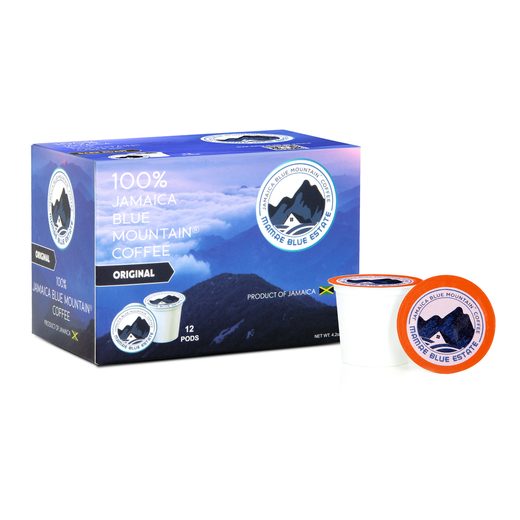
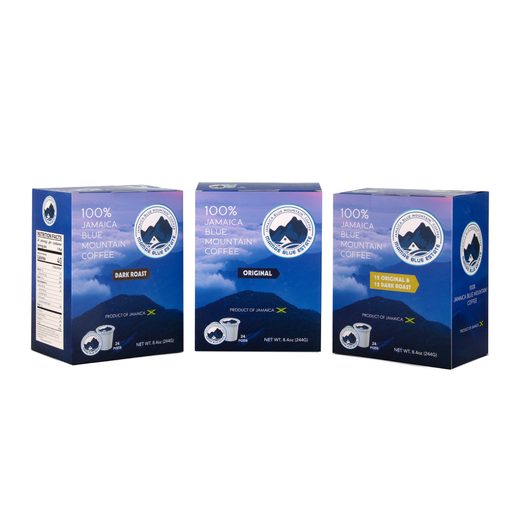
That long-standing demand is part of why Jamaica Blue Mountain remains one of the most sought-after coffees among Japanese buyers and coffee shops specializing in imported beans. Readers curious to try it for themselves can start with the whole bean and ground options in the shop.
Questions people ask
What is a kissaten?
Who invented canned coffee?
Does Japan drink more coffee than other countries?
Why does Japan buy so much Jamaica Blue Mountain coffee?
Sources
Taste the benchmark
More in Coffee knowledge
- The Coffee Belt: Where Coffee GrowsCoffee grows only within a tropical coffee belt, where altitude and climate, more than latitude alone, decide what grows where, and climate change is shifting the map.
- The Coffee Plant: How Coffee GrowsCoffee comes from the flowering shrub Coffea, whose cherries, genuine fruit despite the name bean, take three to seven years to reach a first harvest.
- The World's Most Famous CoffeesA guide to why coffees like Jamaica Blue Mountain, Panama Geisha and Kona became famous, not a ranking of which one is best.
- The World's Top Coffee-Producing CountriesBrazil and Vietnam dominate world coffee production, and USDA's country-by-country bag counts show exactly where the rest of the top ten, and tiny Jamaica, rank.
- What Is Specialty Coffee?Specialty coffee traditionally means 80-plus cupping points, but the SCA's current definition covers flavor, origin, growing practices and processing together.
- A Short History of CoffeeFrom a Yemeni Sufi ritual to Ottoman coffeehouses, European trade and colonial plantations, coffee's documented history is stranger than its most famous legend.
- Coffee Auctions: Cup of Excellence and Best of PanamaCup of Excellence and Best of Panama score coffee through blind juries, then auction the winning lots online, often for record prices.
- Italian Coffee CultureItalian coffee culture runs on the standing espresso bar and the stovetop moka pot, backed by more than a century of machine history and widely followed customs.