Anaerobic and Carbonic Maceration Coffee
Anaerobic fermentation ferments coffee in sealed, low-oxygen tanks, producing bold, fermentation-driven flavors that divide specialty coffee opinion.
Anaerobic fermentation processes coffee cherries or pulped beans inside a sealed container instead of an open tank, cutting off oxygen so fermentation happens under pressure and carbon dioxide. It's one of the newer tools producers use to make a lot stand out, and it tends to produce louder, more intense flavors than traditional washed, natural or honey processing.
How Does Anaerobic Fermentation Work?
Cherries or depulped beans go into a sealed tank, often fitted with a one-way valve that lets built-up carbon dioxide escape without letting outside air back in. Whatever oxygen was trapped inside at the start is quickly pushed out as fermentation generates more CO2, leaving the coffee to ferment in a low-oxygen environment rather than the open air or water used in conventional processing. Producers monitor factors like time, temperature and the tank material itself, since stainless steel, plastic and concrete all retain heat differently. Because the technique demands close monitoring and specialized equipment, anaerobic lots are usually sold as small microlots rather than as a farm's everyday production.
What Is Carbonic Maceration?
Carbonic maceration borrows its name and its basic idea from winemaking: whole fruit ferments under a blanket of carbon dioxide, which suppresses normal aerobic respiration and shifts fermentation toward a different community of microorganisms than open processing encourages. Researchers testing arabica cherries at 18, 28 and 38°C found that fungal communities shifted most at the cooler end of that range after a few days of fermentation. A related trial in Thailand held cherries at a cooler 15 or 20°C for ten days using a "semi-carbonic" approach, and the resulting coffee scored higher than a standard pulped natural for fragrance, flavor, aftertaste, body and balance, with researchers identifying 51 distinct volatile compounds across the different treatments — a sign of how much fermentation conditions can reshape a cup's chemistry.
Where Is Anaerobic Processing Common?
Anaerobic and related sealed-fermentation techniques show up as microlots across many coffee-growing countries rather than as any single region's dominant method, since they're generally a deliberate choice by an individual producer rather than an area-wide tradition. Indonesia is an exception with real history behind it: producers there have long used a related sealed-bag technique, sometimes called the labu method, in which pulped fruit is packed into polypropylene bags with the air pressed out, left to ferment anaerobically for longer than open fermentation, and turned periodically. That method is part of the same processing culture that also produced Sumatra's distinctive wet-hulled coffees, even though wet-hulling itself is a separate technique.
How Does Anaerobic Processing Change the Cup?
Indonesian anaerobic-bag coffee is often described as tasting of wild red fruit with a sharp acidity, and anaerobic lots generally are described as tart, creamy or juicy in texture, with pronounced fruit or wine-like sweetness that goes well beyond what washed or even natural processing typically produces. That intensity is the whole point for producers chasing a distinctive lot, but it also means anaerobic coffee tastes less like a straightforward expression of variety and terroir and more like a flavor shaped deliberately by the fermentation itself.
What's the Debate Around Anaerobic Coffee?
Anaerobic processing has real fans among cuppers and buyers looking for something distinctive, and unusual fermentation-forward lots have become common in specialty auctions and competition-adjacent coffee in recent years. But the technique also draws skepticism. Because so much depends on precise, hard-to-standardize variables like tank material, temperature and timing, results can vary a great deal between batches from the same producer, and pushed too far, the fermentation can tip a coffee toward flavors many in the industry describe as boozy or vinegary rather than pleasantly fruity. Critics also argue that heavy fermentation can mask a coffee's origin character rather than highlight it, turning very different farms into fairly similar-tasting "funky" lots. Whether that trade-off is worth it comes down to what a drinker wants from a cup: origin transparency or fermentation-driven novelty.
How Does Anaerobic Coffee Compare With Jamaica Blue Mountain?
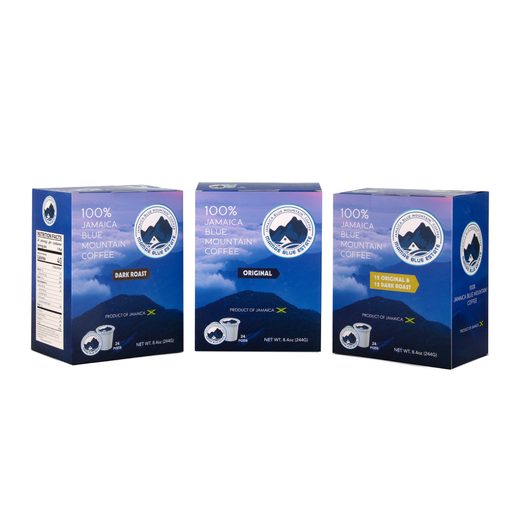
Jamaica Blue Mountain, produced by traditional washed processing, sits about as far from anaerobic coffee as two coffees can get. JBM is widely described as mild, balanced and low in bitterness, prized precisely for restraint, while anaerobic processing is chosen specifically to push flavor in a bold, unconventional direction. That makes the comparison less about which is "better" than about what each is trying to do: JBM's identity rests on a consistent, gentle house style built over decades, while anaerobic lots are, by design, experiments in how far fermentation can reshape a cup.
Questions people ask
What is anaerobic fermentation in coffee?
What's the difference between anaerobic fermentation and carbonic maceration?
Does anaerobic coffee taste better?
Is anaerobic coffee more expensive?
Sources
Taste the benchmark

More in Processing
- Cascara: The Coffee Cherry as a DrinkCascara is a tea brewed from the dried skin and pulp of the coffee cherry, with roots in Yemen and Bolivia and a 2022 EU novel food safety opinion.
- Green Coffee Beans: Buying and Storing Unroasted CoffeeGreen coffee is unroasted coffee, graded by screen size and defect count, sold internationally at around 12% moisture and best used before it goes past crop.
- Honey Process CoffeeHoney process coffee keeps some fruit mucilage on the bean during drying, giving it more sweetness and body than washed coffee with less risk than natural.
- How Decaf Coffee Is Made: Swiss Water, CO2 and SugarcaneDecaf coffee is made by removing caffeine from green beans using water, CO2, ethyl acetate or methylene chloride, to a US standard of at least 97% removal.
- Natural (Dry) Process CoffeeNatural process coffee dries inside the whole cherry, producing a fruit-forward, heavy-bodied cup with a higher risk of defects than washed coffee.
- Washed Coffee: The Wet ProcessWashed coffee has its fruit removed and washed off before drying, a method prized for producing a clean, bright, variety-forward cup.